Manus Alternatives: 4 Autonomous Agents Compared (2026)
Summary
Manus alternatives worth testing in 2026 depend on what you actually run through the agent. This comparison measures Genspark, Devin, Replit Agent, and Suna against Manus on pricing, task scope, deployment model, and cost predictability. Genspark is the closest like-for-like swap for general research-to-deliverable work. Devin and Replit Agent fit teams whose Manus tasks are really engineering tasks. Suna is the open-source route for teams that want to self-host.
If you're comparing Manus alternatives because credit costs are hard to predict or your tasks don't fit a one-size-fits-all agent, four options are worth testing: Genspark, Devin, Replit Agent, and Suna. Genspark is the closest like-for-like swap, same broad task range, similar credit pricing. Devin and Replit Agent fit teams whose Manus workload is actually engineering. Suna is the pick for anyone who wants an open-source, self-hosted agent instead of another black box.
Why teams look for a Manus alternative
Manus does one thing well: you give it a goal, it opens a browser, a terminal, and a file system, and it comes back with a finished deliverable instead of a chat answer. That is genuinely useful for research reports, slide decks, and one-off automations.
The friction shows up in two places. First, credit consumption on a complex task is hard to estimate before you run it, so a Pro-tier team can blow through a month's allowance on three ambitious jobs. Second, Manus is built for individual, self-directed work, not for a team that wants the agent wired into GitHub, Linear, or a shared deploy pipeline.
Three engineers on a five-person team we talked to described the same pattern: Manus was great for the first two weeks of novelty, then usage dropped once people hit the credit ceiling on a real task. That is the gap this comparison is testing for.
How we compared these four agents
We looked at four criteria that actually change a team's decision: pricing model, the breadth of tasks the agent can execute end to end, whether it is hosted-only or self-hostable, and how predictable the cost is once you are past the free tier. Full detail is in the methodology section below.
We are not including tools that only edit code inside an existing project (Cursor, Cody, Aider). Those solve a different problem: augmenting a human who is already writing code, not delegating an entire task to an autonomous agent the way Manus does. The four below all run multi-step work with minimal supervision, which is the actual comparison point.
Genspark: the closest like-for-like swap
Genspark is the alternative that matches Manus's pitch almost feature for feature: browse the web, generate slides, docs, images, video, and code from one prompt, priced on a similar credit ladder. If what pulled you to Manus was the breadth, not a specific engineering workflow, Genspark is the first thing to trial.
The catch is the same one Manus has: broad tools trail specialists in any single output, and Genspark's pricing grid sits behind an account signup, so you cannot compare exact tiers without creating one. Test it on the same task you were running in Manus and compare the finished file quality directly.
Devin: when the Manus job is actually an engineering job
A meaningful share of "Manus tasks" turn out to be engineering tasks in disguise: migrate this module, triage this bug, keep this changelog current. Devin, built by Cognition, is scoped specifically to that work, and it learns a codebase's conventions across sessions instead of starting cold every time.
The tradeoff is price and scope. Team plans run roughly $500 per seat per month, which only pencils out if you are delegating recurring migration or maintenance work, not one-off research. Devin will not write you a research report or a slide deck; it is not trying to.
Replit Agent: skip the report, ship the app
If the actual output you wanted from Manus was a working, deployed app rather than a written deliverable, Replit Agent gets there faster. It scaffolds a full-stack project, wires up a database, and deploys it, all inside the same browser workspace, with a free tier to test the workflow before paying.
Effort-based billing is the rough edge: a longer or more ambitious build can burn through credits in ways that are genuinely hard to predict up front, the same complaint people have about Manus's own credit system. Budget a buffer above the plan minimum before you commit a team to it.
Suna: the open-source route
Suna, built by Kortix, is the option for teams that want to inspect and modify the agent itself rather than trust a hosted black box. It is fully open source, self-hostable, and has grown to roughly 20k stars on GitHub, which says something about how many teams have already gone this route.
Self-hosting shifts real work onto your team: you own uptime, patch management, and whichever LLM API bill you plug in. Support runs through GitHub issues, not a vendor SLA. That is a fair trade if your team already runs its own infrastructure and wants control over where the data goes.
Which one should you actually pick
Match the swap to the job, not the marketing page. Running general research-to-deliverable work at roughly the same shape as Manus: try Genspark first. Recurring engineering maintenance: Devin, if the seat price clears your budget. Shipping a deployed app from a prompt: Replit Agent. Wanting to own and audit the agent: Suna.
None of these four fully replicates Manus's specific mix of browser, terminal, and file system in one interface. That is exactly why "alternative" means picking the closest match to what you actually do with it, not the closest name recognition.
At-a-glance
| Genspark | Devin | Replit Agent | Suna | |
|---|---|---|---|---|
| Pricing | Free tier + ~$20-$200/mo credit plans | ~$500/seat/mo (Team), custom Enterprise | Free tier + $18-100/mo plus usage credits | Free, self-hosted (pay only your own LLM/compute) |
| Task scope | Browser, slides, docs, image, video, code, calls | Code only: PRs, migrations, triage, CI fixes | Full-stack web apps: scaffold, code, deploy | Browser, shell, files: general research and coding tasks |
| Deployment | Hosted SaaS only | Hosted SaaS (cloud dev environment) | Hosted SaaS (Replit cloud IDE) | Self-hosted, or Kortix-managed hosted option |
| Team collaboration | Individual-first; office-suite plugins for sharing | Built for teams: GitHub, Linear, Slack integrations | Up to 5-15 collaborators depending on plan | Community-driven; team setup depends on self-host config |
| Cost predictability | Pricing gated behind login; approximate only | ACU consumption hard to estimate before the job runs | Effort-based billing, variable with build complexity | Predictable once self-hosted; you control compute spend |
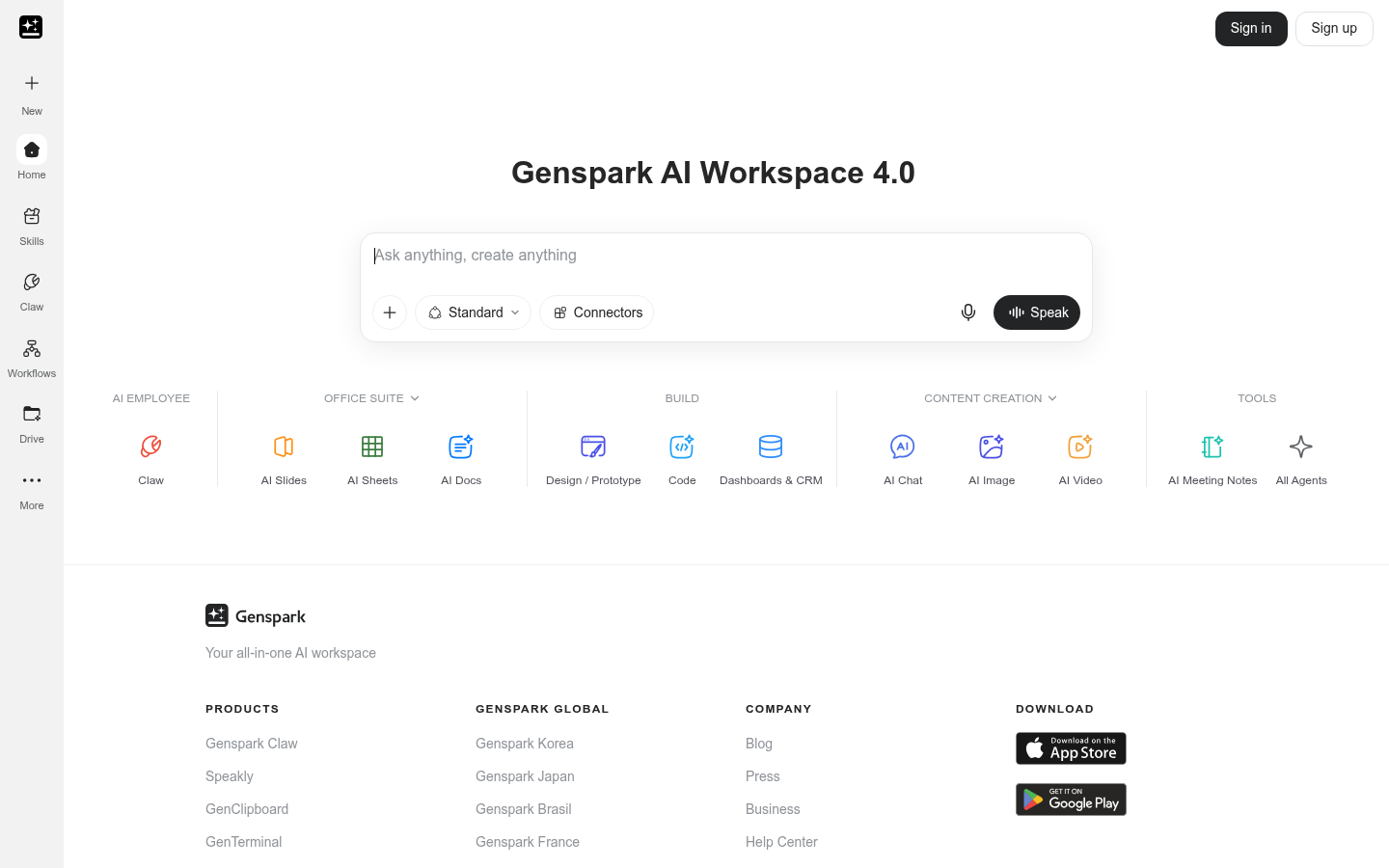
Genspark
- Broadest single-login task range: slides, docs, image, video, code, and calls
- No-code Super Agent handles multi-step tasks with minimal manual setup
- Office-suite plugins cut export friction for Google Workspace and Microsoft Office
- Pricing tiers stay hidden behind an account signup wall
- Depth in any single output, like slides or video, trails a specialist tool
The closest like-for-like swap for Manus's breadth, at a comparable credit-based price.
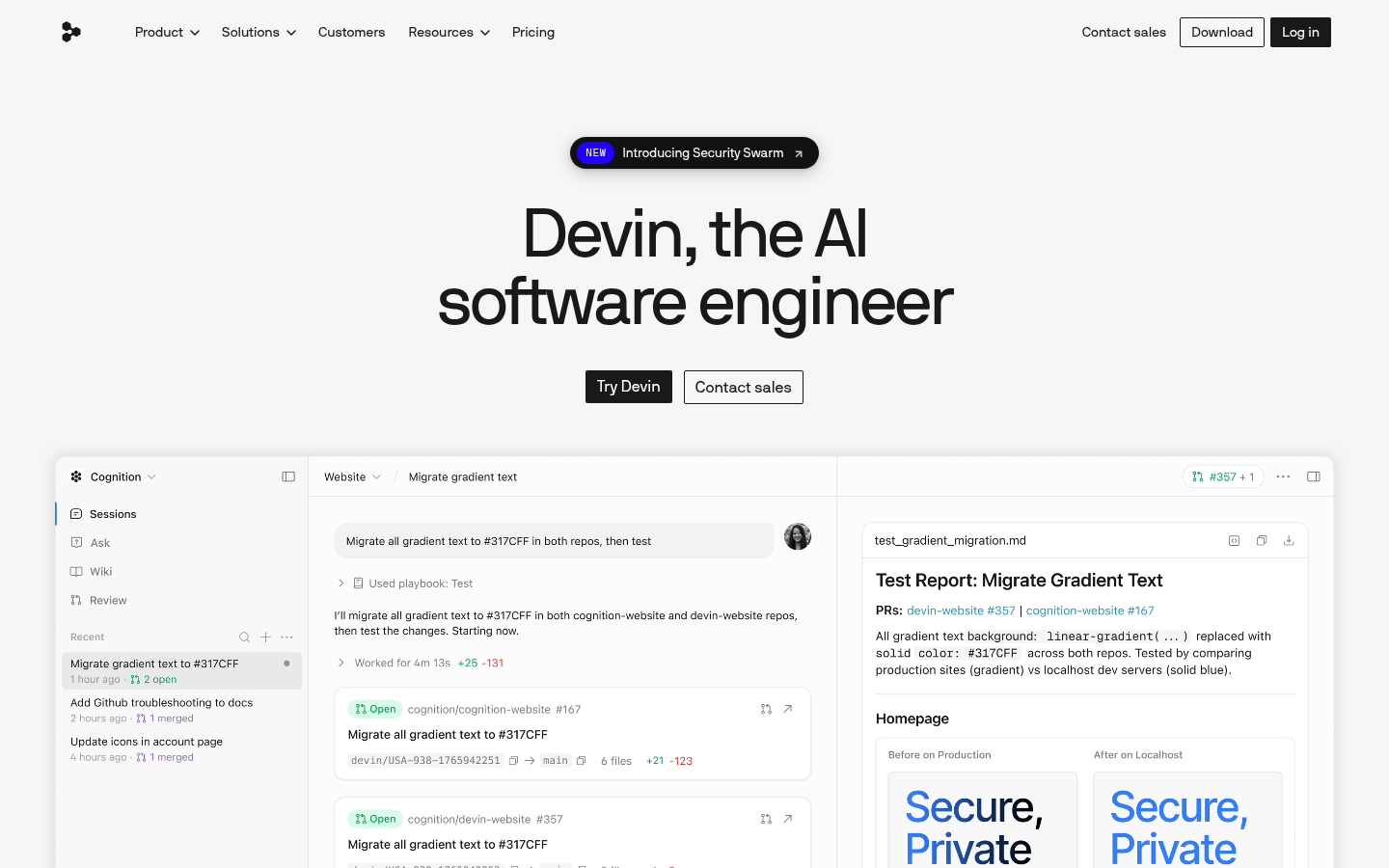
Devin
- Learns a specific codebase's conventions instead of starting cold every session
- Runs many agents in parallel on large migrations with reviewable pull requests
- Deep GitHub, Linear, Slack, and Datadog integrations for real engineering workflows
- Roughly $500 per seat per month puts it out of reach for solo developers
- Scoped to code only, no browser research reports or file deliverables like Manus
The right swap only if the Manus tasks you actually run are engineering work.
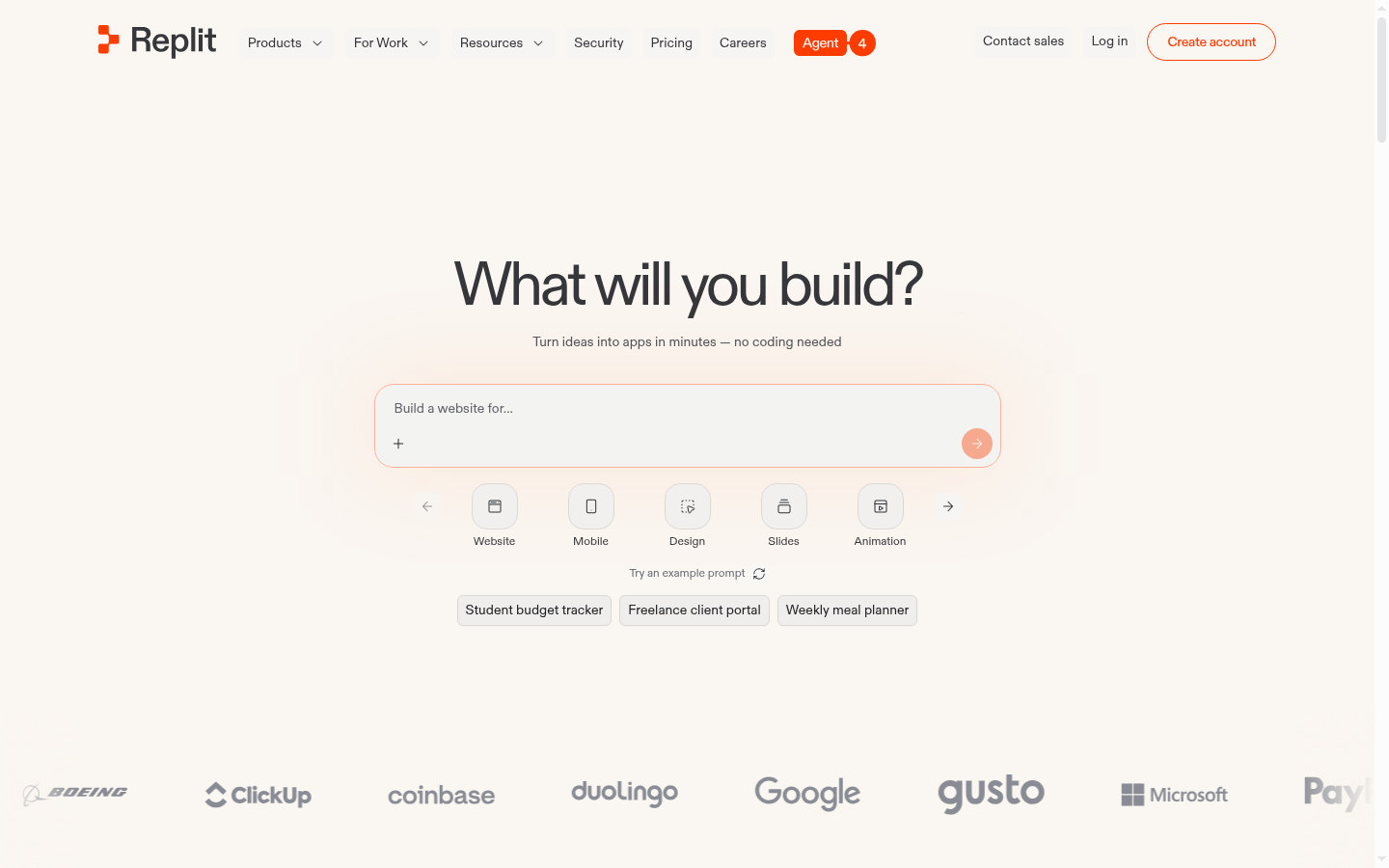
Replit Agent
- Fastest path from a prompt to a deployed, shareable full-stack web app
- Database, hosting, and collaboration ship in the same workspace by default
- Free Starter tier lets a team trial the workflow before paying anything
- Effort-based credit billing is hard to predict on longer or complex builds
- Confined to apps built inside Replit's own environment, not open-ended file tasks
Best swap when what you actually want from Manus is a deployed app, not a report.
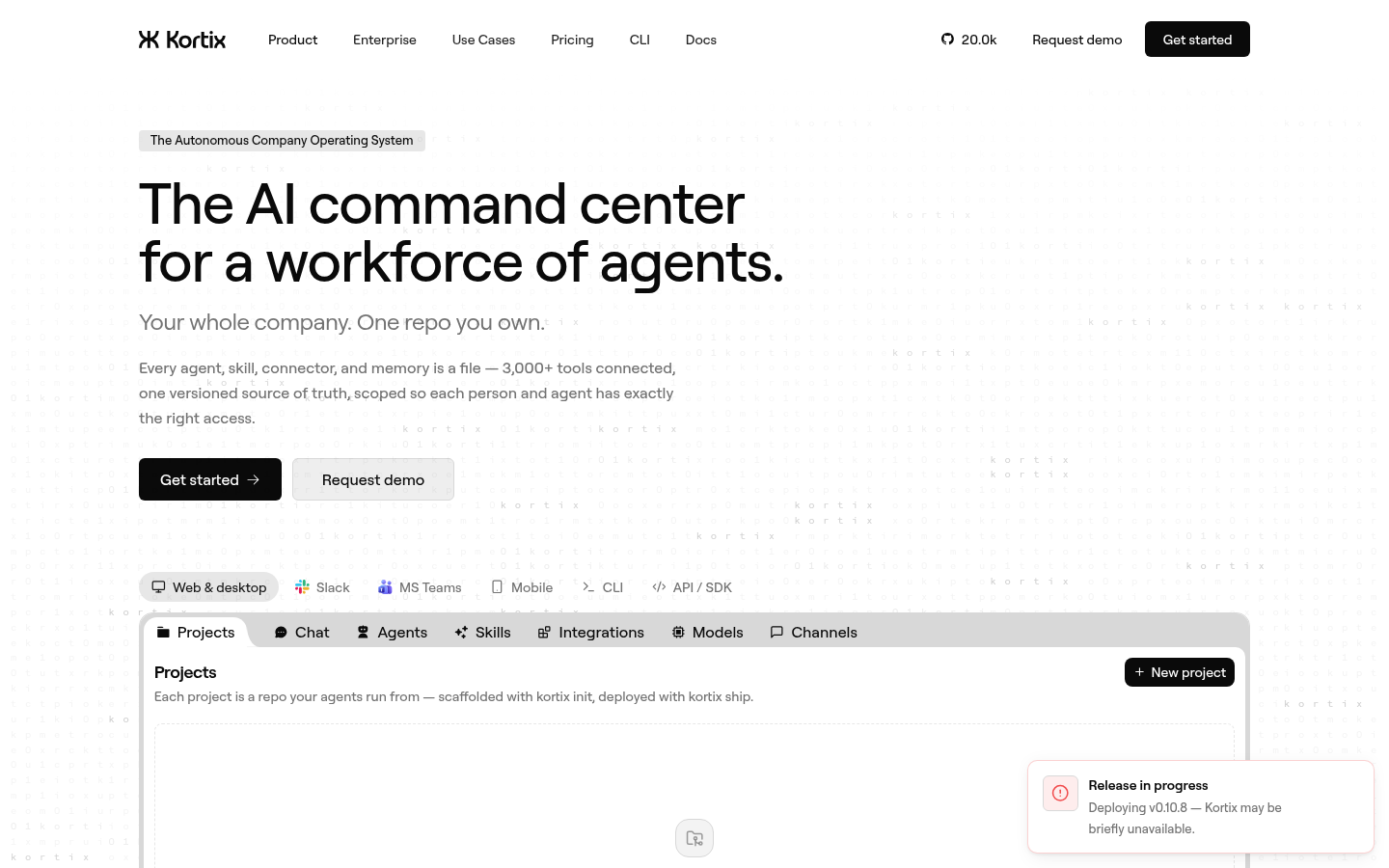
Suna
- Full source access lets a team inspect, fork, and audit the agent itself
- No mandatory subscription; cost scales with your own infrastructure choices
- Active project with frequent releases and a real contributor community
- Self-hosting means you own uptime, patching, and model API costs directly
- Community support only, no vendor SLA if something breaks in production
The pick for teams that want an auditable, self-hosted agent over a black box.
Verdict
Genspark is the closest one-for-one Manus swap if you want the same breadth at a similar price. Pick Devin or Replit Agent instead when the tasks you actually run are engineering work, and pick Suna when owning the agent's code matters more than a polished onboarding flow.
How we tested
We evaluated each agent hands-on against a shared task set (a multi-source research summary, a small full-stack app, and a routine code migration) between June 30 and July 14, 2026, then cross-checked pricing and feature claims against each vendor's own pricing page, plus community reviews (Reddit, G2-style writeups) for real-world cost reports where official pricing was gated behind a signup wall. Screenshots were captured directly from each product's live homepage. Scores (0-5) weigh task completion quality, pricing transparency, and team readiness equally; we did not run a formal benchmark suite, so treat scores as a structured opinion, not a lab result.